
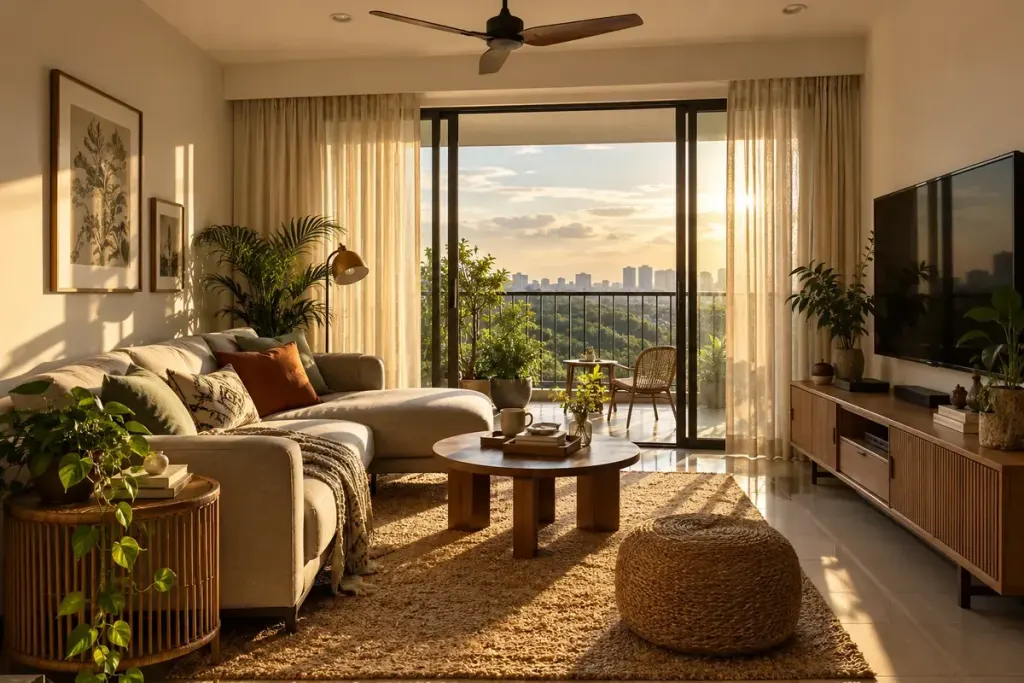
A morning viewing can make an apartment feel bright and comfortable while revealing little about its afternoon sun. If the main windows face west, a later visit is worth requesting. The goal is to observe the particular unit, not to turn one compass direction into an automatic rejection.
Singapore’s Building and Construction Authority treats orientation, glazing and shading as relevant factors in building-envelope heat performance. Its Code on Envelope Thermal Performance for Buildings explains the technical framework. A renter does not need to calculate a building rating to ask better questions about a room’s exposure.
Locate the window, not just the block
A listing may describe the orientation of an entrance, a balcony or the building as a whole. Ask which one is meant. Use the floor plan and a map to understand where the actual living-room and bedroom windows sit. A phone compass can be a useful cross-check, but nearby metal and the way the device is held can make a casual reading misleading.
Look outside from the normal standing position. A neighbouring block, deep balcony or external shade may change how much direct sun reaches the glass. Another unit on the same floor can have a different outlook and shading arrangement.
Repeat the visit when the question matters
If possible, return on an afternoon with conditions relevant to your concern. Note whether sunlight reaches the sofa, desk or bed, and whether it creates screen glare. Ask whether air-conditioning has been running before your arrival. A room that has just been cooled tells a different story from one left closed all afternoon.
You cannot infer year-round conditions from one visit. Clouds and seasonal changes in the sun’s path affect what you see. Still, a second observation is more useful than treating a broad listing description as a complete answer.
Separate existing features from proposed fixes
Inspect curtains, blinds, glazing and ventilation as they are. If an agent suggests adding film or replacing fittings, ask what the tenancy and building rules permit, who would approve the work and who would pay. Do not price an unapproved alteration as though it is already available.
For a fictional comparison, one west-facing unit has deep external shade and a living room used mainly in the evening; another has exposed glazing beside a desk used all afternoon. Their suitability can differ even when the listing uses the same direction label.
Before deciding, write three observations you actually made and three points that remain uncertain. Keep electricity-cost estimates separate unless supported by comparable usage records. The practical decision is whether this unit’s light, comfort and permitted adjustments fit your routine, alongside rent, transport and the rest of the apartment.
AI-generated editorial illustration; not a documentary photograph.