
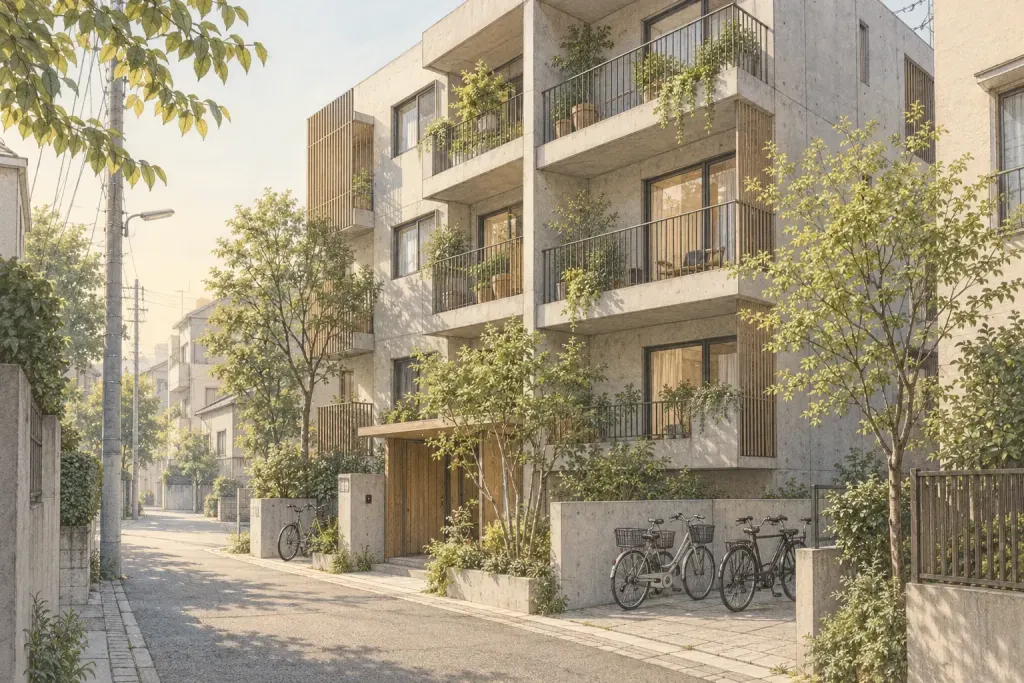
A neighbourhood can make you want to live in Tokyo before you have seen a single apartment. Music venues, small shops or a familiar station name create a picture of daily life. The next step is to test that picture against a few real addresses, because a district’s appeal and an individual unit’s suitability are different questions.
GO TOKYO’s official western Tokyo guide highlights areas including Shinjuku, Nakano, Koenji, Shimokitazawa and Kichijoji. It describes the region’s creative activity, shopping and cultural attractions. Use that as an introduction to places to investigate, rather than evidence about current rent levels, available apartments or the conditions on every street.
Choose the everyday destination before the neighbourhood
Write down the place you will need to reach most often. Then compare candidate addresses using a current journey planner for your actual departure time. Include the walk from the building entrance, station access and any change of trains. Do not assume a well-known station name automatically produces the easiest daily journey.
For a fictional shortlist, one unit could be nearer a lively shopping street while another gives a simpler journey to work. You need not score both on an abstract “best area” scale. Record which trade-off matters to your routine and why.
Walk the last part of the route
When a visit is practical, examine the stretch between the station and the building. Note crossings, slopes, lighting and the location of the entrance. Look for the shops or services you expect to use, checking current opening information instead of relying on an old map pin.
Return at another relevant time if you can. A single afternoon visit cannot establish how quiet a street is at night, and neighbourhood descriptions cannot guarantee conditions inside a particular unit. Ask specific building questions about sound, access and shared spaces rather than generalising from the area’s reputation.
Keep the apartment facts beside the area notes
Save the floor plan, confirmed furnishings, quoted charges and proposed contract period for each property. Write down anything requiring translation or explanation before you commit. This guide does not estimate market rents or interpret a Japanese tenancy agreement.
Finish with a small shortlist you can explain: “This address works for my regular journey; this one is closer to the activities I value; both still need a unit viewing.” That is a stronger basis for further enquiries than choosing an apartment solely because its neighbourhood appears in a travel guide.